Service_1
Construction Setouts

Construction setouts form the critical first step in turning approved building plans into physical structures on site. They involve accurately transferring design measurements onto the land so builders know exactly where construction should begin. This process removes uncertainty and ensures the project starts on a solid foundation. Precise positioning at this stage helps prevent costly mistakes during excavation and footing works. Every line and point is carefully calculated to reflect the approved drawings. A well-executed setout establishes confidence before any construction activity begins.

Modern construction setouts rely on advanced surveying equipment to achieve a high level of accuracy. Surveyors mark exact locations for walls, columns, and structural elements so trades can work with certainty. These reference points remain consistent throughout the building process. Accurate setouts help ensure the structure aligns with engineering and planning requirements. Even small deviations can impact the overall build quality. Professional surveying methods reduce risk and support smooth project delivery.

Clear and accurate setouts also improve coordination across all stages of construction. Builders, concreters, and framers rely on the same surveyed reference points to guide their work. This consistency reduces confusion and helps different trades work efficiently together. Reliable setouts support correct alignment as the project progresses. They act as a constant guide from excavation through to structural completion. This level of clarity keeps construction on track.

Every site presents unique challenges that must be carefully assessed during the setout process. Factors such as land slope, boundary conditions, and site access can affect measurement accuracy. Surveyors adapt their approach to suit the specific conditions of each project. Careful planning ensures accuracy even in complex environments. Attention to detail is essential when working within tight tolerances. A tailored setout approach helps maintain structural integrity.

Compliance is a key component of professional construction setouts. Structures must be positioned in accordance with council approvals, regulations, and legal boundaries. Accurate setouts help avoid encroachments and boundary-related disputes. They provide peace of mind that the build meets all required standards. Proper positioning reduces the risk of rework or project delays. This supports smoother inspections and approvals throughout construction.

Construction setouts ultimately provide certainty before physical building begins. They bridge the gap between design intent and real-world execution on site. Accurate reference points guide every stage of construction with confidence. Quality setouts contribute to safer and more efficient building practices. They protect time, budgets, and project outcomes. A precise setout sets the standard for everything that follows.

Service_5
House Setouts

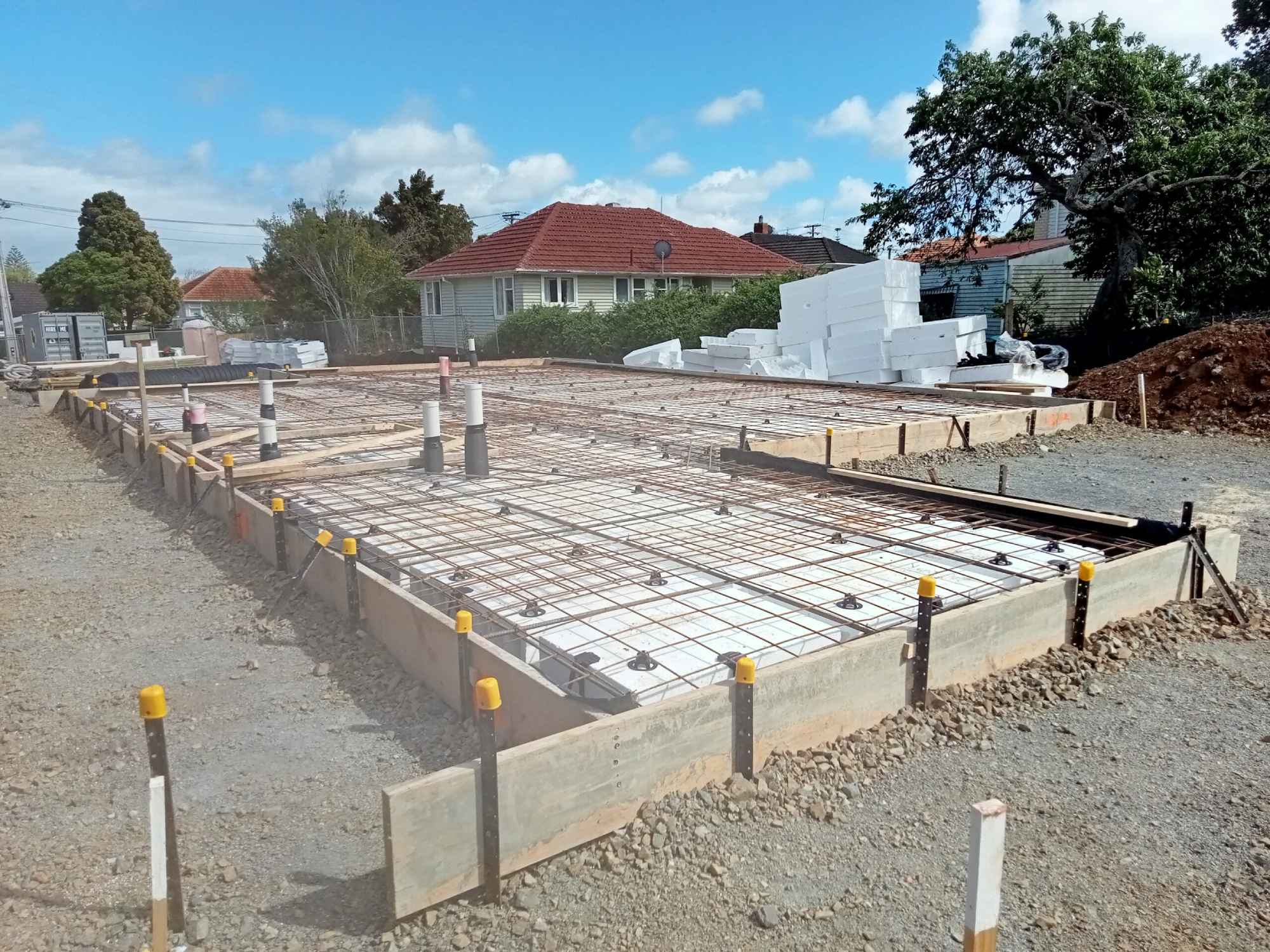
House setouts are a critical step in ensuring a home is positioned correctly on its block before construction begins. They involve transferring approved building plans onto the site with precise measurements. This process confirms the exact location of the house in relation to boundaries and setbacks. Accurate setouts help builders begin work with confidence and clarity. They reduce the risk of positioning errors that can be costly to correct later. A professional house setout provides a reliable starting point for construction.

The setout process uses advanced surveying equipment to achieve high levels of accuracy. Surveyors mark key reference points that guide excavation, footings, and slab placement. These markers remain consistent throughout the early stages of the build. Precision at this stage ensures the structure aligns perfectly with design drawings. Even small inaccuracies can affect compliance and build quality. Professional methods help maintain exact positioning from day one.

House setouts play an important role in ensuring compliance with council approvals and regulations. Homes must be built within approved envelopes and setback requirements. Accurate setouts help prevent boundary encroachments and planning issues. This reduces the risk of failed inspections or legal disputes. Clear positioning supports smoother progress through regulatory checks. Compliance-focused setouts protect both builders and homeowners.

Each property presents unique conditions that influence how a house setout is completed. Factors such as block shape, slope, and surrounding structures are carefully assessed. Surveyors adapt their approach to suit site-specific challenges. This tailored process ensures accuracy even on complex or constrained sites. Proper planning helps avoid issues during excavation and construction. Attention to detail supports long-term structural integrity.

House setouts also improve coordination between different trades on site. Builders, excavators, and concreters rely on the same reference points to guide their work. This consistency minimizes confusion and miscommunication. Accurate markers help each stage of construction align correctly. Clear guidance reduces delays and unnecessary adjustments. Well-executed setouts contribute to a smoother workflow.

Ultimately, house setouts provide certainty before construction begins. They bridge the gap between design intent and on-site execution. Accurate reference points guide the build from excavation through to slab stage. Quality setouts help save time, costs, and resources. They offer peace of mind that the home is positioned correctly. A precise house setout sets the foundation for a successful build.

Service_3
Pool Setouts

Pool setouts are a crucial step in ensuring swimming pools are positioned accurately and in compliance with approved plans. They involve marking the exact location of the pool on site before excavation begins. This process helps confirm setbacks, clearances, and alignment with property boundaries. Accurate setouts reduce the risk of costly adjustments later in the project. Every measurement is carefully checked against council approvals. A precise pool setout provides clarity before construction starts.

Professional pool setouts help ensure compliance with local regulations and safety requirements. Pool locations must meet strict guidelines relating to boundaries, structures, and fencing. Surveyors verify that the proposed pool position aligns with approved drawings. This attention to detail supports smoother inspections and approvals. Accurate positioning helps avoid delays caused by non-compliance. Proper setouts protect both the builder and the property owner.

Pool setouts also play an important role in coordinating excavation and construction teams. Clearly marked reference points guide excavation depths and pool alignment. These markers allow contractors to work efficiently and confidently. Consistent measurements ensure the pool shell is constructed as designed. This coordination reduces errors during the early stages of construction. Clear setouts contribute to a smoother building process.

Each site presents unique considerations that must be assessed during a pool setout. Factors such as ground levels, existing structures, and access limitations are carefully reviewed. Surveyors adapt the setout approach to suit site-specific conditions. This tailored process ensures accuracy even on challenging sites. Proper planning helps manage drainage and surrounding finishes. Attention to site conditions supports long-term pool performance.

Accuracy in pool setouts helps protect surrounding structures and landscaping. Correct positioning ensures adequate clearances from buildings, fences, and services. This reduces the risk of damage during excavation and construction. Well-planned setouts also support effective drainage and water management. Every detail is considered to maintain structural stability. Careful positioning contributes to a safer installation.

Pool setouts ultimately provide confidence before excavation begins. They ensure the pool is built exactly where it is designed to be. Accurate reference points guide the project from start to finish. Quality setouts help prevent delays, disputes, and rework. They support compliance, efficiency, and peace of mind. A professional pool setout sets the foundation for a successful pool build.

Service_4
Excavation Pegs

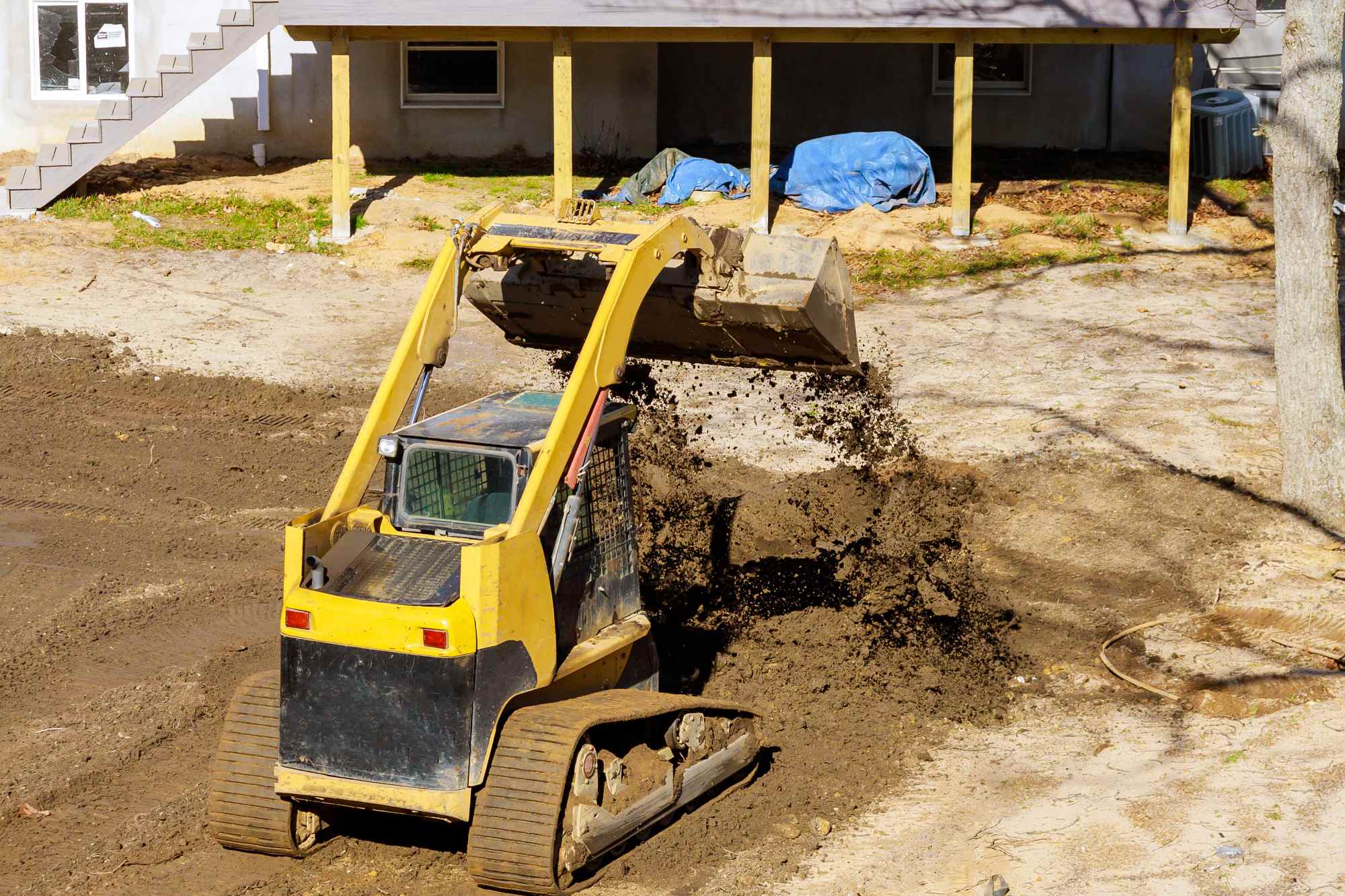
Excavation pegs are essential markers used to guide earthworks and site preparation before construction begins. They indicate exact locations, depths, and boundaries required for excavation. Accurate peg placement ensures machinery operators follow the correct levels and dimensions. This process helps prevent over-excavation or under-excavation on site. Clear markings provide direction during early construction stages. Proper excavation pegs support efficient and controlled groundworks.

Professional excavation pegs are set using precise surveying measurements. Surveyors transfer design information directly from approved plans onto the site. Each peg represents a specific reference point for excavation limits or footing depths. These references allow contractors to work confidently and accurately. Consistent measurements reduce the risk of misinterpretation on site. Precision at this stage is critical for structural stability.

Excavation pegs also play a key role in coordinating construction teams. Earthmoving operators rely on these markers to align their work with engineering requirements. Clear visibility of pegs improves workflow and site safety. Accurate guidance reduces the likelihood of costly corrections. This coordination helps keep projects on schedule. Well-placed pegs contribute to smoother site operations.

Different sites require tailored excavation peg solutions. Ground conditions, access constraints, and design complexity all influence peg placement. Surveyors assess each site to determine the most effective marking approach. This ensures accuracy even in challenging environments. Attention to site-specific details improves excavation outcomes. A customised setup supports reliable results.

Compliance is another important aspect of excavation pegs. Pegs must align with council approvals and engineering specifications. Correct placement helps avoid boundary encroachments and structural issues. Accurate excavation reduces the risk of failing inspections. This supports a smoother approval process throughout construction. Reliable pegging protects both builders and property owners.

Excavation pegs provide clarity before major earthworks begin. They establish clear guidelines that shape the entire construction process. Accurate reference points reduce errors and rework. Quality pegging saves time, costs, and resources. It sets the groundwork for safe and compliant construction. Well-executed excavation pegs form the foundation of a successful build.

Service_6
Level Surveys

Level surveys provide essential elevation data used to understand the natural shape and height of the land. They measure ground levels across a site to support accurate planning and design decisions. This information is critical for drainage, construction, and structural design. By mapping existing levels, surveyors help identify potential challenges early. Accurate data allows designers and builders to plan with confidence. A professional level survey forms the basis of informed development.

Modern level surveys are carried out using precise surveying instruments to capture detailed height information. Surveyors record spot levels across the site to reflect variations in terrain. These measurements are then translated into clear drawings or reports. The resulting data supports engineers, architects, and builders throughout the project. Precision at this stage reduces the risk of design errors. Reliable measurements lead to better construction outcomes.

Level surveys play a vital role in managing drainage and water flow. Understanding how water naturally moves across a site helps prevent future issues. Proper elevation data supports effective stormwater and surface drainage design. This is especially important for sloping or uneven land. Accurate surveys help reduce the risk of pooling or erosion. Good drainage planning protects both structures and surrounding areas.

Every site requires a tailored approach when conducting a level survey. Factors such as site size, access, and existing features are carefully considered. Surveyors adjust measurement spacing to suit project requirements. This ensures the data collected is both relevant and efficient. Detailed attention improves the accuracy of final plans. A customised survey approach delivers dependable results.

Level surveys also support compliance with planning and construction requirements. Accurate elevation information helps demonstrate adherence to approved designs. It assists in setting finished floor levels and managing cut and fill volumes. This reduces the risk of disputes or rework during construction. Clear documentation supports smoother approvals. Compliance-focused surveys protect project timelines.

Ultimately, level surveys provide clarity before design and construction begin. They translate natural land contours into usable technical information. Accurate level data guides smarter decisions across all project stages. Quality surveys save time and reduce unforeseen costs. They contribute to safer, more efficient builds. A detailed level survey lays the groundwork for successful development.

Service_7
Residential & Commercial Services

Residential and commercial services are designed to support projects of all sizes with accuracy and professionalism. From private homes to large-scale developments, each project requires careful planning and reliable execution. These services ensure that design intentions are correctly translated onto real-world sites. Attention to detail is essential when working across different property types. Accurate surveying supports smoother construction outcomes. Professional services provide confidence from start to finish.

Residential services focus on helping homeowners and builders achieve compliant and well-positioned builds. They support new homes, extensions, and renovations with precise measurements. Correct positioning helps avoid boundary issues and planning complications. Clear survey data allows trades to work efficiently and confidently. Residential projects benefit from a tailored, site-specific approach. Precision at this level protects long-term property value.

Commercial services address the complexities of larger and more demanding projects. These sites often involve tighter tolerances, multiple stakeholders, and strict timelines. Accurate surveying helps coordinate contractors and maintain alignment with approved plans. Reliable data supports efficient workflows on busy construction sites. Commercial projects demand consistency and technical expertise. Professional surveying ensures every stage progresses smoothly.

Both residential and commercial services rely on modern equipment and proven methods. Advanced technology improves accuracy and reduces the margin for error. Surveyors combine technical skill with practical site experience. This approach ensures measurements remain reliable under real-world conditions. Quality data supports informed decision-making. Technology-driven services enhance overall project efficiency.

Compliance is a critical component across all residential and commercial projects. Surveys must align with council approvals, regulations, and engineering requirements. Accurate data helps prevent disputes and costly rework. Proper documentation supports inspections and approvals. Compliance-focused services protect project timelines and budgets. Reliability in this area is essential for successful outcomes.

Residential and commercial services ultimately provide certainty and control throughout construction. They bridge the gap between planning and on-site execution. Accurate surveying supports safer, more efficient builds. Professional services reduce risk and improve coordination. Every project benefits from clear and dependable information. Trusted surveying services form the foundation of successful development.